1 min read
Are Acronyms Getting in the Way of Better Communication?
APM. CMMS. EAM. PM. PdM. RCA. RCM. MTBF. MTTR. Maintenance and reliability professionals use acronyms every day. They can make communication faster...
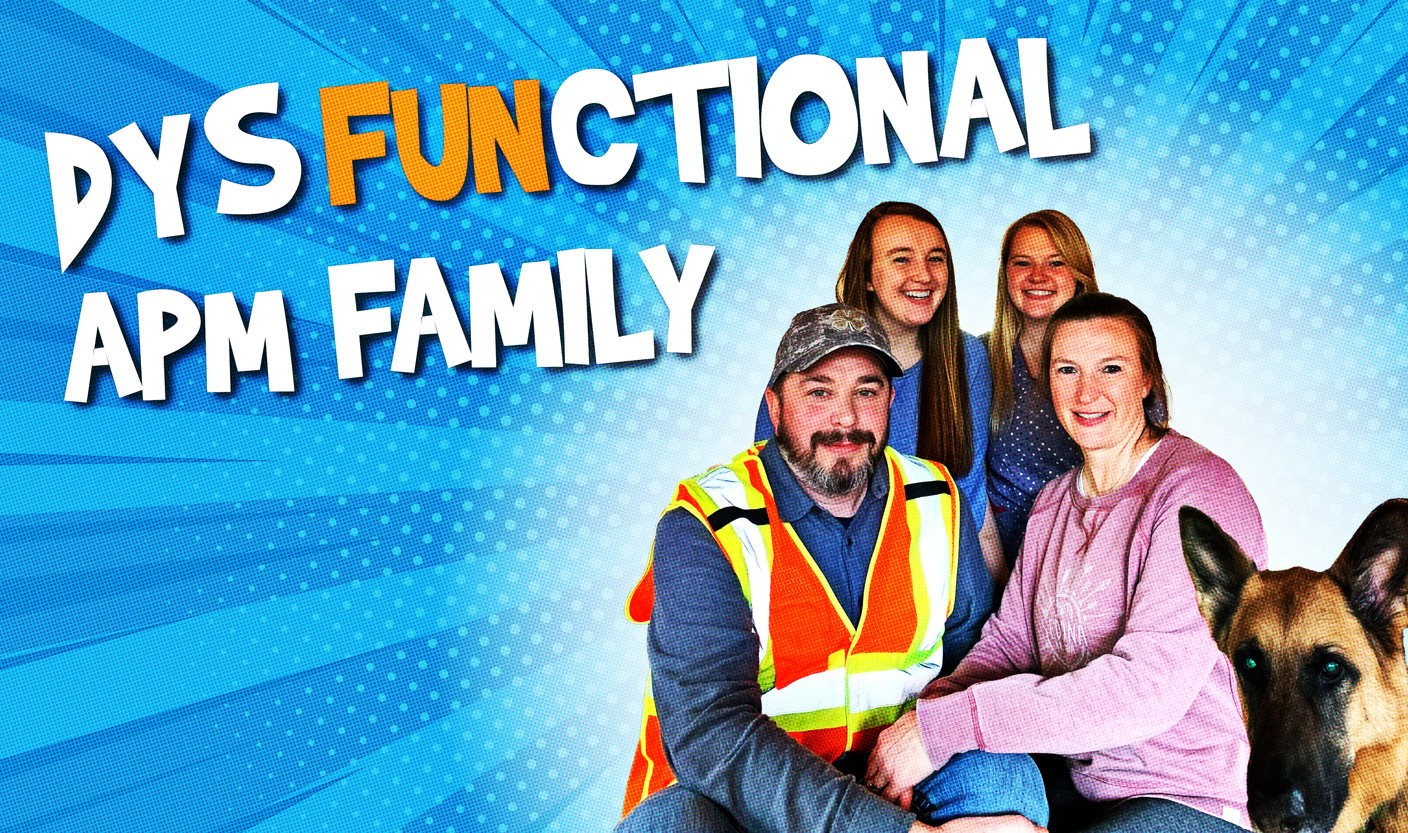
Strong maintenance and reliability programs are not built by one person—or even one department. They depend on people across the organization working together toward common goals.
Maintenance, operations, engineering, procurement, and leadership all influence asset performance. When these groups operate in silos, communication breaks down, priorities compete, and problems can take longer to resolve.
Strong teamwork changes that.
It can be easy to view equipment reliability as the responsibility of the maintenance department. In reality, every function has a role.
Operations teams interact with equipment every day and can identify early signs of problems. Maintenance teams inspect, repair, and preserve asset condition. Engineering influences equipment design and improvement. Procurement helps ensure the right materials and spare parts are available. Leadership provides the direction and support that keeps everyone aligned.
The strongest results happen when these groups understand how their responsibilities connect.
Learn more about why reliability requires people, processes, and technology working together.
Good teamwork starts with communication.
Teams need clear expectations, shared priorities, and opportunities to communicate about equipment problems, maintenance needs, operational challenges, and improvement opportunities.
Leaders also play an important role by listening to employees, encouraging collaboration, and creating an environment where people are comfortable sharing concerns and ideas.
When communication improves, teams can solve problems faster and make better decisions together.
A strong reliability culture moves away from “that's maintenance's problem” toward “how do we solve this together?”
Shared ownership helps eliminate departmental barriers and keeps everyone focused on the same objective: safe, reliable, and efficient operations.
Building that culture takes time. Leaders need to reinforce the right behaviors, recognize teamwork, and make collaboration part of how work gets done every day.
Explore more about Building a Reliability Culture.
Technology and processes are important, but people ultimately make them work.
When employees understand their roles, communicate openly, and work toward common objectives, organizations create stronger teams—and stronger teams create more reliable operations.
Watch the video to learn more about the leadership lessons that can help build teamwork and strengthen organizational culture.
Maintenance and operations can improve collaboration by establishing shared priorities, communicating equipment issues consistently, coordinating planned work, and clearly defining responsibilities. Both teams should view equipment reliability as a shared responsibility rather than the responsibility of a single department.
Learn more about how reliability requires people, processes, and technology working together.
Leadership improves teamwork by establishing clear goals, encouraging open communication, defining responsibilities, and creating accountability across teams. Effective leaders also help remove departmental barriers and keep employees focused on shared operational and reliability objectives.
Learn more about Leadership in Asset Performance Management.
A reliability culture is an organizational environment where employees across different functions understand their role in improving asset performance and take shared ownership of reliability. It encourages communication, proactive problem-solving, continuous improvement, and collaboration instead of operating in departmental silos.
Learn more about Building a Reliability Culture.
1 min read
APM. CMMS. EAM. PM. PdM. RCA. RCM. MTBF. MTTR. Maintenance and reliability professionals use acronyms every day. They can make communication faster...
1 min read
The global pandemic has fundamentally reshaped how asset-intensive industries approach innovation and operational excellence. Rather than succumbing...
1 min read
Organizational culture isn’t something you can ignore—it shows up fast. Even in times of remote work or global disruptions, leadership shapes culture...